

Fire Sprinkler
Inspection & Service
The most reliable suppression system on earth, until it freezes or corrodes. We provide comprehensive NFPA 25 testing, 5-Year Certifications, and 24/7 emergency repair.
- Annual NFPA 25 Inspection
- 5-Year Internal Pipe Exams
- Antifreeze Loop Testing
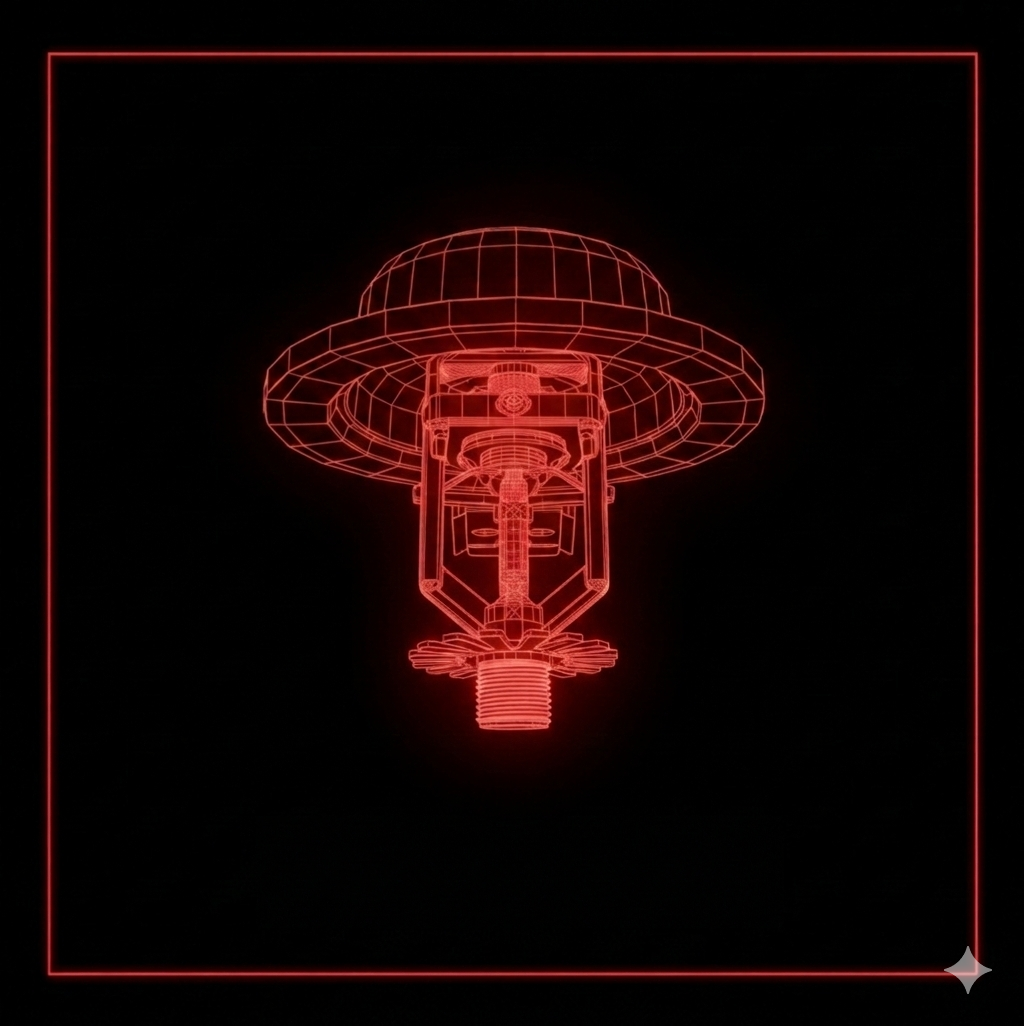
The Overwatch Advantage
We combine the technical execution of a licensed fire contractor with the fiscal scrutiny of a professional advocate. We provide total system lifecycle management. Overwatch self-performs your mandatory inspections, from annual flow tests to 5-year internal pipe investigations, ensuring your infrastructure is safe and your documentation is audit-ready.
Our direct service model targets the "silent killers" of fire sprinkler systems. We don't just find leaks; we perform the repairs and implement corrosion management (MIC) strategies that prevent catastrophic failures. We take ownership of your compliance so you can focus on your property, knowing your life-safety assets are 100% Fire Marshal Ready.
Anatomy of an NFPA 25 Inspection
Our technicians follow a rigorous protocol to verify system readiness, moving beyond simple visual checks to functional performance testing.
Verifying the water supply isn't restricted by debris or partially closed valves by measuring static and residual pressures.
Opening terminal ends and main pipes to check for obstructions and microbiologically influenced corrosion (MIC).
Testing flow and tamper switches for fire alarm panel accuracy and central station dispatch verification.
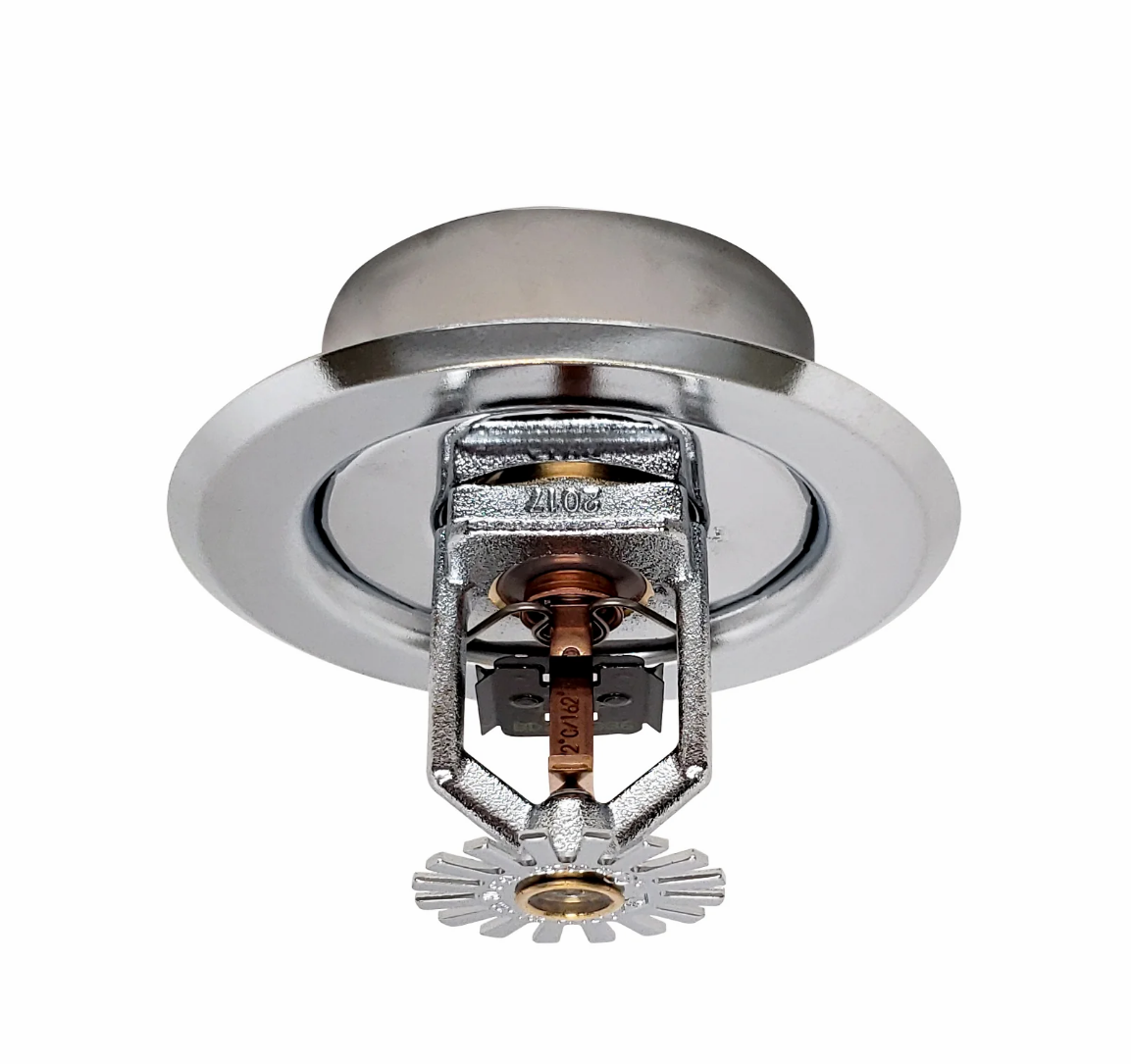
Hangs from the pipe. Standard for finished office/retail ceilings where aesthetics and coverage are key.
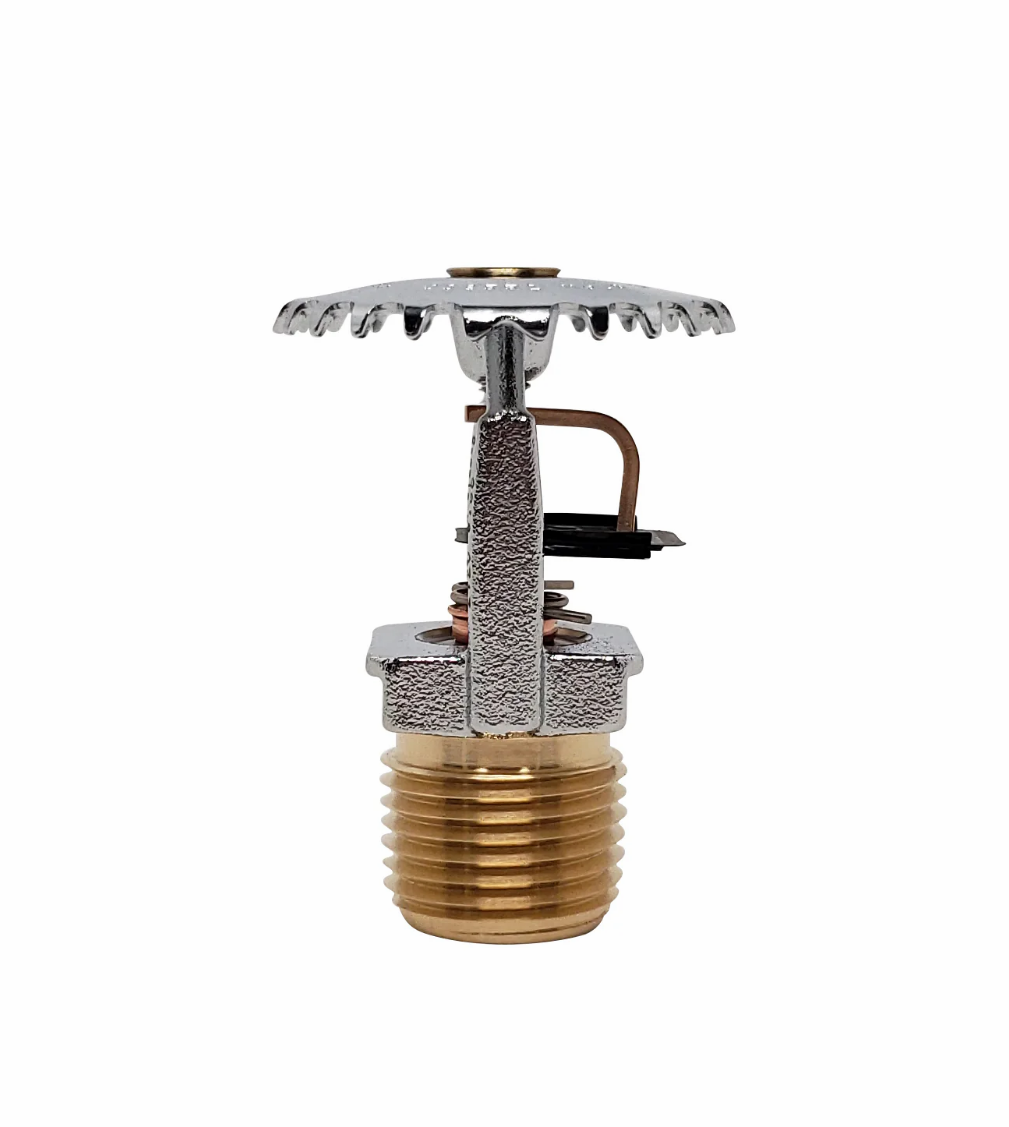
Points toward the ceiling. Typically used in warehouses, mechanical rooms, and exposed piping areas.
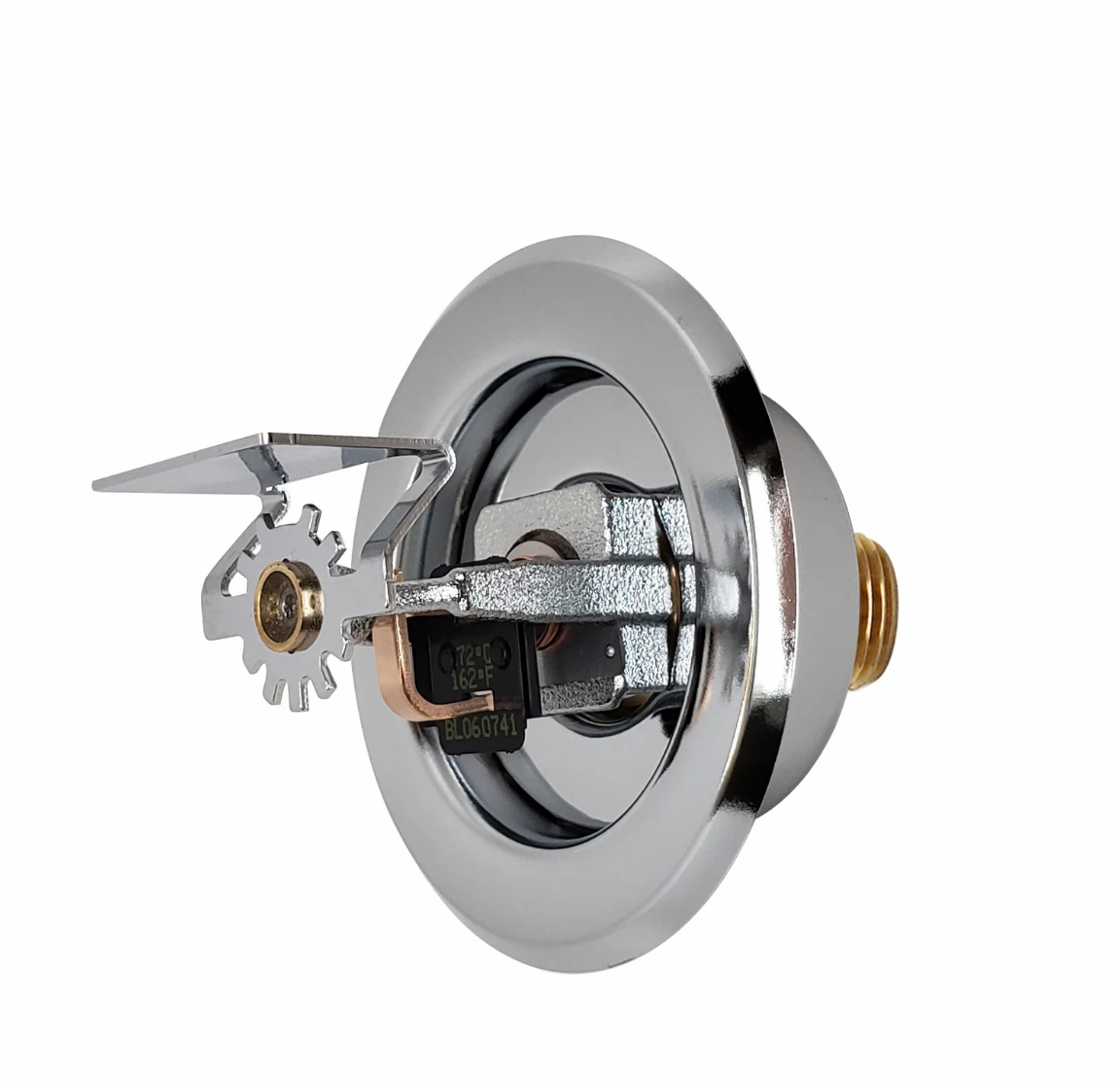
Protrudes from walls. Ideal for hotel rooms, narrow corridors, and areas where overhead piping is restricted.
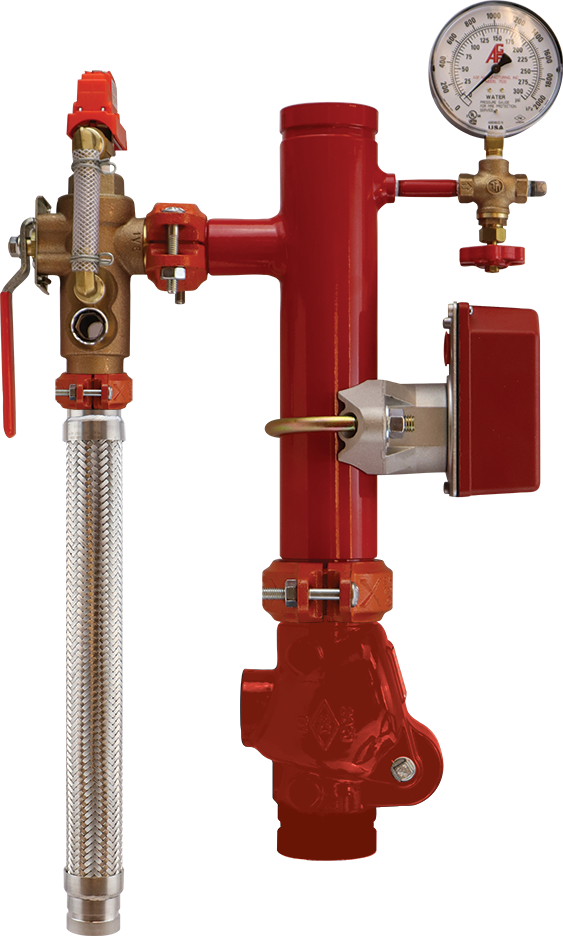
The main assembly controlling water flow and alarm signals. Must remain locked in the open position.
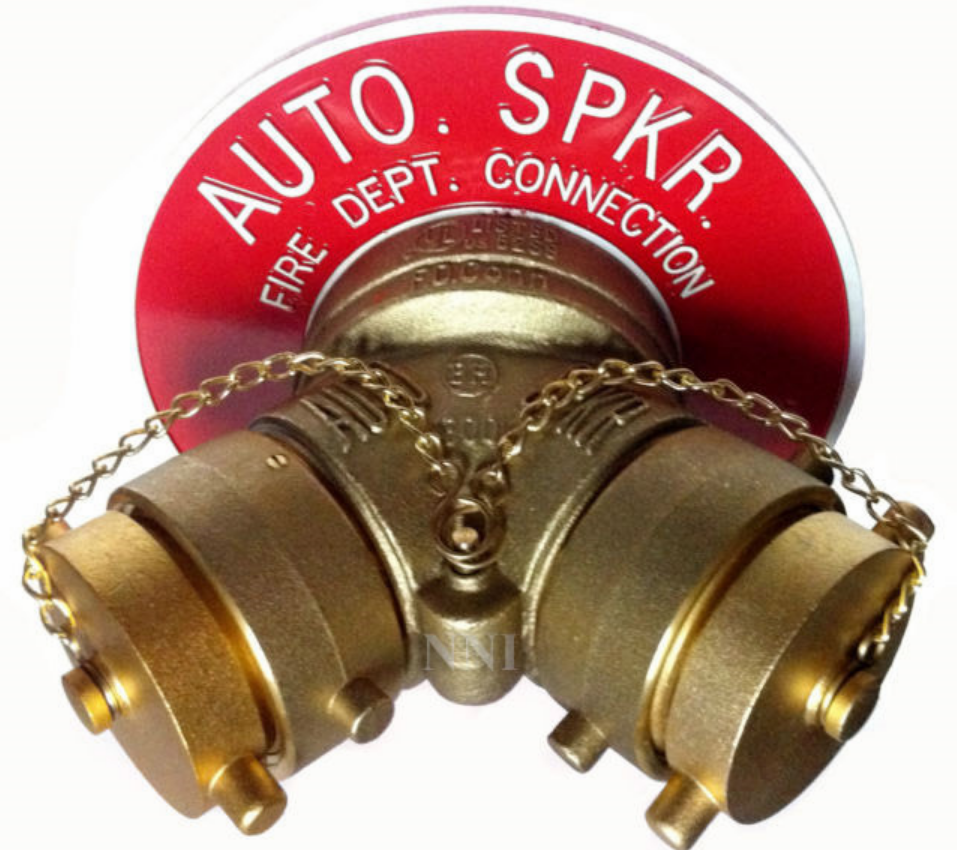
Exterior inlet for the Fire Department to pump additional water and pressure into the building system.
Standard of Care
Regulator: NFPA 25- Annual Visual/Physical Audits
- 5-Year Internal Pipe Exams

Clearance
Regulator: OSHA 1910.159- 18" Storage Clearance Rule
- Onsite Spare Head Stock

Healthcare
TJC / EC.02.03.05- No "Loaded" Dusty Heads
- Pipe Support Restrictions

Property Mgmt
Intl Fire Code- Signage Verification
- Riser Room Accessibility